How to Reduce Workplace Fatigue with Better Seating Solutions?

Time:2026-08-11 Author:Ethan
0%

In today’s fast-paced work environment, combating fatigue is essential for productivity. According to seating expert Dr. Lisa Chen, “Proper seating directly influences our energy levels and focus.” This highlights the importance of how to reduce workplace fatigue through better seating. Many employees spend long hours seated, leading to discomfort and tiredness.

Choosing the right chair can significantly impact well-being. Ergonomic chairs promote better posture and support, reducing strain on the body. This, in turn, can lead to increased energy and engagement throughout the workday. However, not all seating solutions are effective. Many workplaces overlook the nuances of ergonomics, leading to disenchantment among employees.

Companies need to prioritize employee comfort. A simple chair swap could make a world of difference. Regular assessments of seating arrangements can ensure workers feel supported. Embracing better seating solutions is a step forward in addressing workplace fatigue. Reflecting on current seating options is not just beneficial; it’s necessary for fostering a more productive environment.
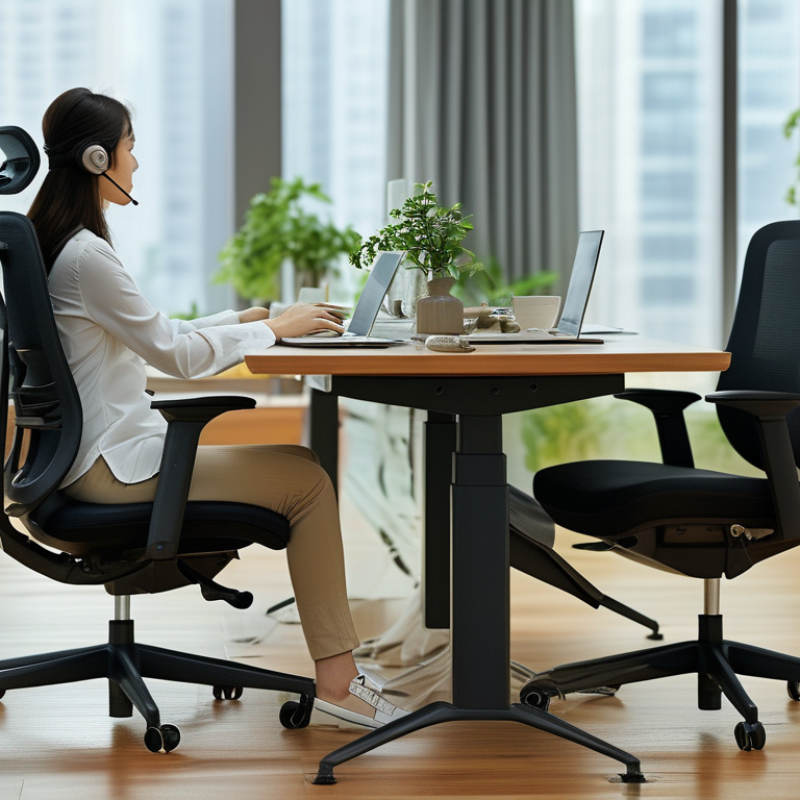
How to Reduce Workplace Fatigue with Better Seating Solutions?

Understanding the Impact of Seating on Workplace Fatigue

Seating plays a crucial role in workplace fatigue. Studies show that improper seating can lead to discomfort and reduced productivity. For instance, the American Chiropractic Association reports that 31 million Americans experience lower back pain, often due to poor seating. Inadequate support from chairs contributes significantly to this issue. This discomfort can lead to decreased concentration and increased fatigue.

Ergonomic chairs can make a difference. A well-designed chair can improve posture and reduce muscle strain. According to a survey by the Occupational Safety and Health Administration, workplaces that invest in ergonomic solutions reported a 25% decrease in employee fatigue. This statistic highlights the importance of investing in the right seating. Employees need chairs that support their bodies throughout the workday.

However, choosing the right seating solution is not always straightforward. Many employees may unknowingly choose chairs that do not fit their needs. It’s vital to consider factors like adjustability and lumbar support. Moreover, different body types require different seating solutions. In a diverse workplace, a one-size-fits-all approach may not work. Regular assessments and feedback from employees can help improve seating choices and reduce fatigue.

Key Factors Contributing to Workplace Fatigue: Ergonomics and Posture

Workplace fatigue is a significant issue affecting employee productivity and well-being. Ergonomics and posture play crucial roles in this equation. Poor seating solutions can lead to discomfort and strain, ultimately resulting in fatigue. According to a report by the Occupational Safety and Health Administration (OSHA), ergonomically designed workspaces can reduce the risk of musculoskeletal disorders by 40%.

Proper seating encourages good posture. When employees sit correctly, it reduces pressure on the spine. This, in turn, minimizes fatigue. A study published in the journal "Applied Ergonomics" showed that workers who used ergonomic chairs reported a 25% decrease in discomfort. However, many organizations overlook the basics. Employees often settle for inadequate seating, which can lead to chronic pain and decreased productivity in the long run.

Investing in better seating solutions is essential but often overlooked. Employers should prioritize ergonomic assessments to enhance comfort. Seating should support various body types and encourage movement. A static work environment contributes to fatigue. Encouraging short breaks for stretches and movement can dramatically improve employee morale. It’s vital to constantly evaluate how seating impacts overall well-being. Addressing seating issues creates a healthier, more productive work environment.

How to Reduce Workplace Fatigue with Better Seating Solutions?

Factors Impact on Fatigue Recommended Solutions
Poor Ergonomics Increases strain on the body leading to fatigue Adjustable chairs, desk height adjustments
Inadequate Posture Promotes discomfort and reduces productivity Lumbar support cushions, sit-stand desks
Prolonged Sitting Leads to decreased circulation and energy drops Encourage regular breaks, exercise balls
Discomfort from Seating Contributes to stress and disengagement Ergonomic seating options, cushioned seats
Lack of Flexibility Limits movement and adaptability Modular furniture systems, mobile seating

Statistics on Employee Fatigue Linked to Poor Seating Choices

Employee fatigue is a growing concern in various workplaces. Studies indicate that around 65% of employees report issues linked to poor seating arrangements. According to a 2021 report by the Occupational Safety and Health Administration (OSHA), inadequate seating contributes to decreased productivity, increased absenteeism, and diminished job satisfaction. This highlights the need for better seating solutions.

Research from the Human Factors and Ergonomics Society reveals that around 50% of workers experience discomfort when seated for long periods. Poor posture from improperly designed chairs can lead to musculoskeletal disorders, which affect work performance. Moreover, a Gallup survey noted that insufficient ergonomic setups result in a staggering loss of $300 billion annually in healthcare costs, due to employee burnout and chronic pain.

Switching to ergonomic seating can significantly reduce fatigue. Chairs that support the natural curvature of the spine enhance posture and comfort. A study conducted by the Cornell University Ergonomics Web suggests that employees with ergonomic seating report a 20% increase in productivity and overall well-being. These statistics underscore the critical link between appropriate seating choices and employee health.

Innovative Seating Solutions: Height-adjustable Desks and Ergonomic Chairs

In today’s work environment, fatigue is often an overlooked issue. Innovative seating solutions can significantly combat this challenge. Height-adjustable desks allow employees to alternate between sitting and standing. This flexibility continues to promote energy levels throughout the day. Observing colleagues shift positions can inspire others to do the same, creating a more dynamic workspace.

Ergonomic chairs play a vital role in reducing fatigue too. They support the spine and encourage good posture, which is essential for long hours at work. Some employees may struggle to find the right chair. The key is to prioritize personal comfort and back support. A poor fit can lead to discomfort and distraction, ultimately hindering productivity.

Investing in these modern seating options fosters an engaging environment. However, not all adaptations will work for every individual. It requires an iterative process of testing different solutions. Gathering feedback from employees can guide future purchases. By creating spaces that prioritize employee health, companies can expect increased focus and morale.

Best Practices for Implementing Effective Seating Solutions in Workspaces

When it comes to enhancing workplace comfort, selecting the right seating solutions is vital. Ergonomic chairs can help reduce fatigue and encourage better posture. A proper chair supports the lower back, aligning the spine. Employee productivity often improves when discomfort decreases.

Tips for choosing seating solutions: prioritize adjustability. Chairs with multiple settings allow users to find their ideal position. Also, look for breathable materials. These materials improve airflow and comfort during long hours. Consider standing desks as an alternative. They can promote movement and refresh focus.

Regular breaks are crucial. Even the best chairs cannot replace the benefits of stepping away from the desk. Encourage employees to take short walks. This boosts circulation and can enhance overall well-being. Remember, it's essential to evaluate seating arrangements frequently. Not every solution works for everyone, and preferences can change over time. Listening to feedback can guide improvements.

FAQS

: What are the main causes of workplace fatigue?

: Workplace fatigue mainly arises from poor ergonomics and posture. Inadequate seating can lead to discomfort and strain.

How can proper seating affect fatigue levels?

Proper seating encourages good posture, reducing pressure on the spine and minimizing fatigue during work hours.

Why should employers invest in ergonomic seating?

Ergonomic seating reduces discomfort and can enhance employee productivity while lowering the risk of chronic pain.

What features should I look for in an ergonomic chair?

Prioritize adjustability and back support. Breathable materials also improve comfort during long hours.

How do height-adjustable desks help in the workplace?

They allow alternation between sitting and standing, promoting energy levels and engagement throughout the day.

What role do breaks play in combating fatigue?

Regular breaks boost circulation and overall well-being, helping alleviate fatigue even with the best seating solutions.

Why is feedback from employees important?

Employee feedback guides future seating purchases and ensures that solutions meet diverse comfort needs.

Are all ergonomic solutions suitable for everyone?

No, not all adaptations work for every individual. It requires testing and evaluating preferences over time.

How often should seating arrangements be reassessed?

Seating arrangements should be evaluated frequently to adapt to changing preferences and maintain comfort levels.

What can lead to chronic discomfort in the workplace?

Settling for inadequate seating without considering individual comfort can lead to chronic pain and distraction.

Conclusion

To effectively reduce workplace fatigue through better seating, it's essential to understand the significant impact that seating has on employee comfort and productivity. Poor seating choices can lead to ergonomic issues and posture-related discomfort, which are major contributors to fatigue. Statistics highlight that many employees report increased tiredness as a direct result of inadequate seating solutions, underscoring the need for thoughtful design in the workplace.

Innovative seating options, such as height-adjustable desks and ergonomic chairs, can notably improve workplace environments. By implementing best practices that prioritize these effective seating solutions, organizations can foster a healthier work atmosphere. Ultimately, creating a workspace that accommodates proper ergonomics and promotes good posture is key to enhancing employee well-being and reducing feelings of fatigue.

Ethan

Ethan

Ethan is a seasoned marketing professional with a deep expertise in our company's innovative product line. With a passion for sharing knowledge and insights, he takes the lead in regularly updating our corporate blog, where he explores industry trends, product features, and effective marketing......