How Workspace Design Impacts Employee Wellbeing?

Time:2026-08-26 Author:Oliver
0%

In today's fast-paced work environment, understanding how workspace design affects employee wellbeing has become essential. Dr. Sally Augustin, a prominent environmental psychologist, emphasizes that "the right design can significantly uplift an employee's mood and productivity." Her insights highlight the profound impact of physical space on mental health.

The quality of workspace can enhance or hinder employee satisfaction. Natural light, for instance, can boost energy levels and creativity. Open areas can promote collaboration, yet may also lead to distractions. Meanwhile, quiet spaces cater to individual focus needs. Striking a balance is vital, yet not always achieved.

Companies often overlook the nuances of design. Some prioritize aesthetics over functionality. This can lead to discomfort, impacting overall morale. It is crucial for organizations to recognize that well-designed workspaces contribute significantly to employee wellbeing. Creating an environment that supports both collaboration and individual tasks is a challenge worth pursuing.
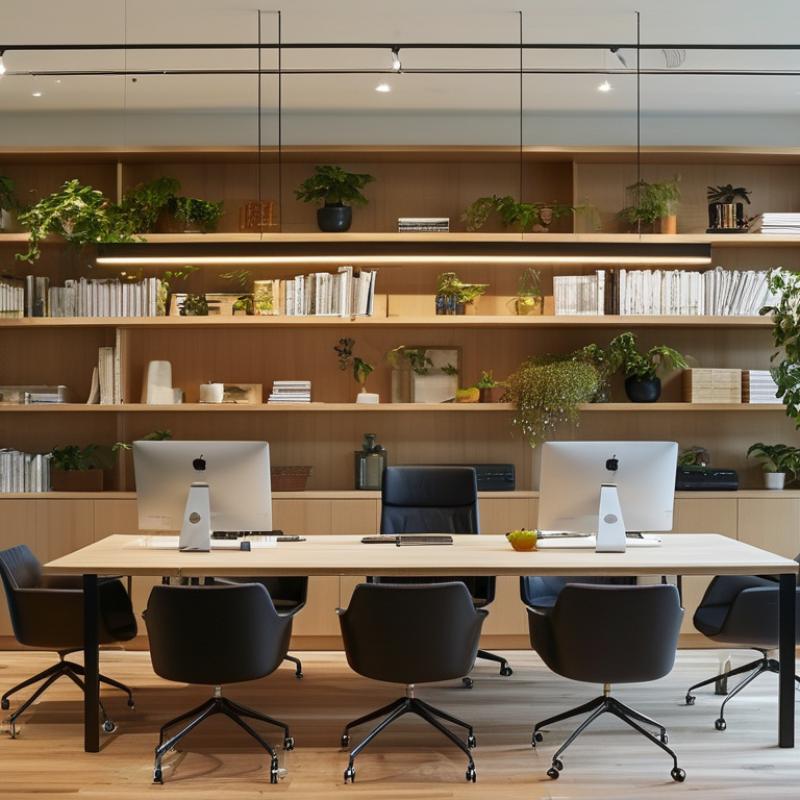
How Workspace Design Impacts Employee Wellbeing?

The Relationship Between Workspace Design and Employee Wellbeing

Workspace design plays a crucial role in shaping employee wellbeing. An open layout with ample natural light can boost mood and encourage collaboration. However, excessive noise in open spaces may negatively impact concentration. A balance is needed between collaboration areas and quiet zones.


Furniture choice affects comfort and posture. Ergonomic chairs can reduce strain, yet not all employees find them supportive. Personalized workspace elements can enhance ownership. Allowing employees to customize their areas might lead to improved satisfaction.


Plant life and color schemes contribute to a calming environment. Greenery can enhance air quality and reduce stress. Still, not every design will resonate with all employees. Regular feedback on workspace elements is essential for continuous improvement. This ongoing dialogue allows companies to adapt spaces effectively.

Key Elements of Effective Workspace Design for Employee Health

Effective workspace design plays a crucial role in employee health and wellbeing. Natural light is an essential element. It reduces eye strain and improves mood. Biophilic design, incorporating plants, enhances air quality. Plants also create a calming atmosphere. Employees feel more at ease surrounded by greenery.

Ergonomics is another key factor. Designing furniture that supports proper posture can prevent work-related injuries. Adjustable desks empower employees to alternate between sitting and standing. This flexibility can improve focus and productivity. Adding quiet zones offers space for relaxation and reflection. It’s vital to acknowledge that not every workspace will suit every employee.

Noise levels can impact concentration. Acoustic panels and sound-absorbing materials can help. Yet, some employees may still find distractions. There’s always room for improvement in any design. Gathering feedback from staff can lead to better solutions. A thoughtful design prioritizes health and boosts morale while considering the diverse needs of the workforce.

How Workspace Design Impacts Employee Wellbeing

Element Impact on Wellbeing Example Features
Lighting Improves mood and focus Natural light, adjustable LEDs
Ergonomics Reduces physical strain Adjustable desks, ergonomic chairs
Acoustics Enhances concentration Soundproofing, quiet zones
Space Layout Promotes collaboration Open spaces, collaboration areas
Biophilic Design Boosts creativity and reduces stress Indoor plants, natural materials

Impact of Natural Light and Green Spaces on Employee Mood

Natural light and green spaces significantly influence employee mood and wellbeing in the workplace. Studies indicate that exposure to natural light can reduce eye strain and headaches, leading to improved focus and productivity. Research by the National Institute of Health shows that employees with access to natural light report a 20% increase in job satisfaction. This factor alone can create a more positive work environment.

Furthermore, integrating green spaces within the office can provide substantial mental health benefits. A study published in the Journal of Environmental Psychology found that employees working near plants or in green environments experienced 15% lower stress levels. These spaces encourage breaks and relaxation, which are essential for combating workplace burnout. However, not every office can effectively implement these features.

Some organizations struggle to balance open spaces and individual work needs. The challenge is to create areas where employees feel inspired yet not overwhelmed. While many companies recognize the importance of design, the actual implementation often falls short. It’s vital for workplaces to prioritize these elements intentionally, seeking to create a harmonious blend of natural light and greenery for lasting effects on employee wellbeing.

The Role of Flexible Layouts in Promoting Employee Interaction

Flexible workspace layouts play a crucial role in enhancing employee interaction. By breaking down traditional barriers, these spaces encourage spontaneous conversations and collaboration. An open layout allows team members to connect easily. For instance, having shared tables or comfortable lounges invites employees to engage in informal discussions.

However, flexibility in design isn't without its challenges. Some employees feel overwhelmed in open spaces, leading to distractions. Noise can disrupt focus. Balancing openness with areas for privacy is essential. Thoughtful zoning creates quieter spots while maintaining accessible collaboration zones.

Creating a blended environment can lead to better outcomes. Mixed-use areas promote diverse interactions. Yet, it’s vital to gather employee feedback regularly. Their input helps refine spaces that support both concentration and collaboration. Achieving the right balance is an ongoing journey, not a one-time solution.

Assessing the Psychological Effects of Workspace Aesthetics on Wellbeing

Workspace aesthetics play a crucial role in employee wellbeing. Research consistently reveals that the design elements of an office greatly influence mood and productivity. Natural light, for instance, makes spaces feel more open and inviting. Many people thrive in environments with ample daylight. Conversely, dimly lit offices can lead to feelings of gloom and fatigue.

Color schemes also significantly affect psychological states. Warm colors like yellow and orange can invigorate creativity. In contrast, cold tones like blue promote calmness but may induce a sense of isolation. It's vital to find a balance. Not every shade will work for everyone. A mismatch might lead to decreased motivation or even stress.

Moreover, the layout of workspaces contributes to employee interactions. Open-plan areas encourage collaboration, yet they can also foster distractions. Some employees may need quieter spaces for focus. Striking the right balance in design isn’t easy. Each space must cater to diverse employee needs. Rethinking workspace design should involve ongoing feedback from employees to create an inclusive environment.

How Workspace Design Impacts Employee Wellbeing

This chart illustrates the impact of different workspace design elements on employee wellbeing, rated on a scale from 1 to 10. Features like natural light and ergonomic furniture significantly enhance employee satisfaction and productivity.

FAQS

: How does workspace design affect employee wellbeing?

: Workspace design impacts mood and collaboration. Open layouts boost interaction but can increase noise.

What role does natural light play in the workplace?

Natural light improves focus and reduces eye strain. Employees report higher job satisfaction when exposed.

Are green spaces important for employee mental health?

Yes, green spaces lower stress levels. They provide essential breaks, helping to combat burnout.

How does furniture choice impact employee comfort?

Ergonomic chairs can reduce strain. However, not all employees find them equally supportive or comfortable.

Why is personalizing workspace important?

Customizing workspace can enhance ownership and satisfaction. Employees often feel more engaged when they have control.

How do color schemes influence mood in the office?

Warm colors can boost creativity, while cool tones promote calmness. However, not all employees respond the same way.

What is the challenge with open office layouts?

Open spaces encourage collaboration but can create distractions. A balance is needed for focused work.

How should feedback be integrated into workspace design?

Regular feedback allows for improvements. Companies need to listen to employees for effective design adaptations.

What are the risks of poorly designed workspaces?

Mismatched designs may reduce motivation and increase stress levels. Each space should meet diverse employee needs.

Can aesthetic choices really influence productivity?

Yes, aesthetics impact mood and efficiency. Poor lighting or uninviting designs can lead to fatigue and gloom.

Conclusion

The article "How Workspace Design Impacts Employee Wellbeing" explores the significant connection between the physical environment of a workplace and the overall health and happiness of employees. It highlights key elements of effective workspace design, such as the integration of natural light and green spaces, which can greatly enhance employee mood and mental health. The discussion also emphasizes the importance of flexible layouts that encourage interaction among employees, fostering a collaborative atmosphere conducive to well-being.

Furthermore, the article examines the psychological effects of workspace aesthetics, asserting that an appealing and thoughtfully designed environment can positively influence employee satisfaction and productivity. By understanding how workspace design affects employee wellbeing, organizations can create healthier, more supportive workspaces that promote both physical health and psychological comfort, ultimately leading to a more engaged and motivated workforce.

Oliver

Oliver

Oliver is a seasoned marketing professional with a wealth of expertise in driving brand awareness and engagement. With a deep understanding of our company's product offerings, he consistently delivers high-quality content that enriches our professional blog. His insights not only shed light on......